

Your Ultimate Annual Home Maintenance Checklist for 2025
Owning a home is a significant investment, but protecting its value goes far beyond the initial purchase. Proactive maintenance is the critical buffer between minor issues and catastrophic, expensive repairs. Think of your home as a complex ecosystem of interconnected systems; regular tune-ups are not just a good idea, they are essential for ensuring its longevity, safety, and operational efficiency. Neglecting small tasks can lead to a cascade of problems, from foundation damage caused by clogged gutters to higher energy bills from an unserviced HVAC system.
This comprehensive annual home maintenance checklist is engineered to be your definitive year-round blueprint. We will systematically break down crucial tasks by season and by system, providing you with actionable steps, clear DIY versus professional guidance, and specific considerations for Utah homeowners. From the heavy snowfall along the Wasatch Front to the intense, dry summer heat in St. George, preparing your property for Utah’s diverse and often harsh climate is a non-negotiable part of responsible ownership. This guide empowers you to take control.
We'll cover everything from your roof and foundation to your electrical and plumbing systems, ensuring no stone is left unturned. For homeowners who have also invested in renewable energy, it's vital to follow a dedicated maintenance plan alongside these general home tasks; consider this comprehensive solar panel maintenance checklist for specialized guidance. By following this guide, you will not only safeguard your most valuable asset and lower your utility bills but also gain invaluable peace of mind. Let’s dive into the essential tasks that form the foundation of a healthy, well-maintained home.
1. Spring Revival: Awakening Your Home from Winter's Slumber
As the snow melts and temperatures rise, spring is the perfect time for a thorough exterior inspection and preparation for the warmer months ahead. Winter can be harsh, especially in Utah, leaving behind potential damage that is best addressed before spring showers and summer heat arrive. This part of your annual home maintenance checklist focuses on recovery and readiness.
Key Spring Maintenance Tasks:
- Inspect Roofing and Siding: Snow, ice, and wind can damage shingles, flashing, and siding panels. Look for missing, cracked, or warped materials. Catching these issues early prevents leaks and more significant structural problems down the line. As winter's grasp loosens, it's the perfect time to review a comprehensive Spring Roof and Siding Guide to assess and prepare your home for the warmer months.
- Clear Gutters and Downspouts: Gutters are often clogged with leaves, twigs, and other debris accumulated over winter. Ensure they are clear to allow spring rain to flow freely away from your foundation.
- Service Your Air Conditioner: Don't wait for the first sweltering day. Have an HVAC professional inspect and service your air conditioning unit to ensure it’s clean, charged, and ready for peak performance.
- Check Foundation and Concrete: Look for new cracks in your foundation, driveway, or walkways caused by the freeze-thaw cycle. Small cracks can be sealed to prevent water intrusion and further deterioration.
Completing these tasks sets a strong foundation for the rest of the year, preventing minor winter damage from escalating into costly summer repairs.
2. Roof Inspection and Maintenance
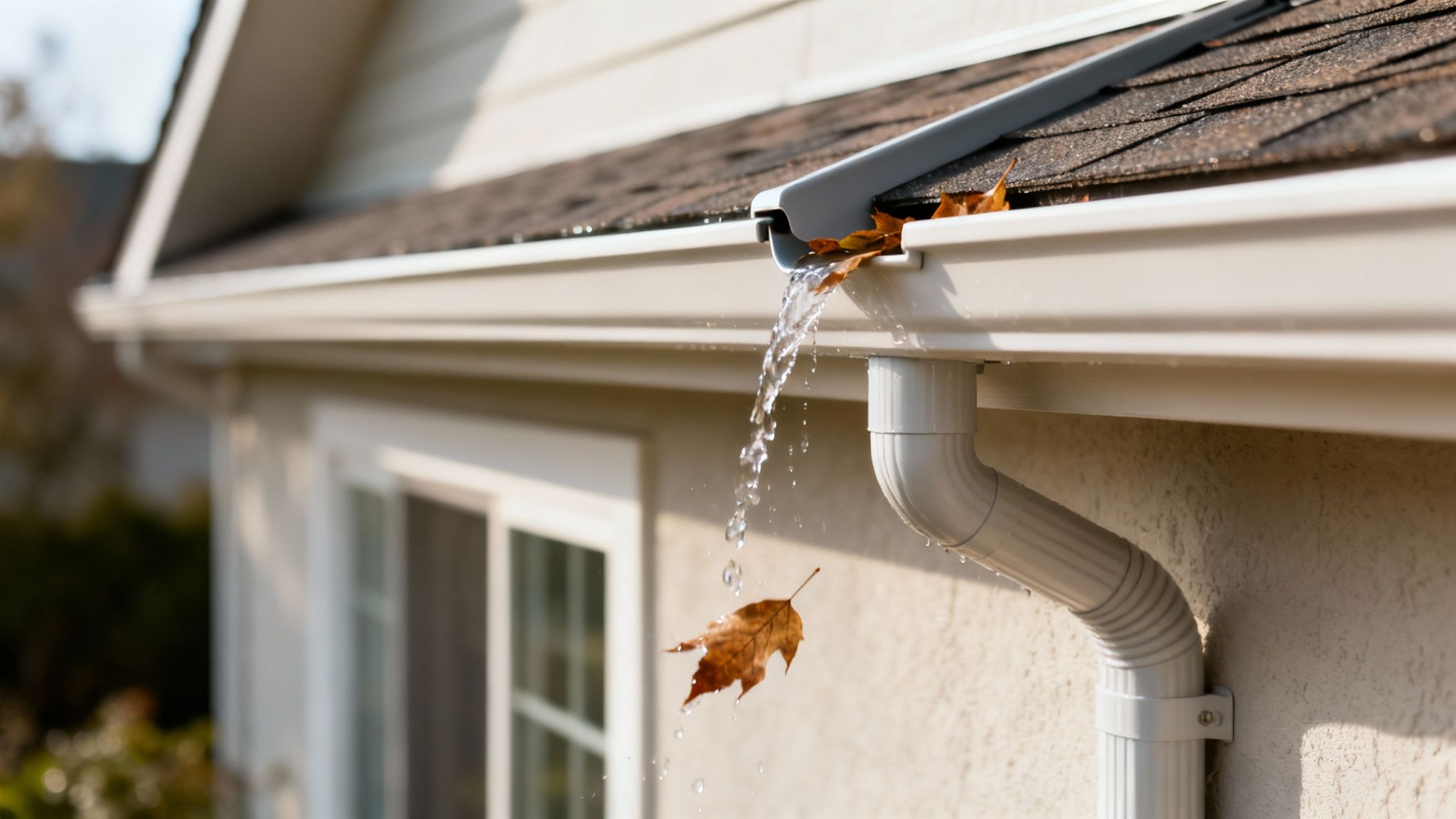
Your roof is the primary shield protecting your home from the elements, making its regular inspection a cornerstone of any effective annual home maintenance checklist. Over time, exposure to Utah’s intense sun, heavy snowfall, and high winds can degrade roofing materials. An annual inspection is a proactive measure to identify and address minor issues before they escalate into catastrophic failures, such as major leaks or structural damage, which can lead to costly repairs and significant disruption.
Key Roof Maintenance Tasks:
- Inspect Shingles and Flashing: Visually check for any shingles that are missing, cracked, curling, or have lost their granular coating. Pay close attention to the flashing around chimneys, vents, and skylights, as these are common points for water intrusion. A homeowner who spots a small piece of dislodged flashing and has it repaired can prevent thousands of dollars in attic and ceiling water damage.
- Clear Debris and Growth: Remove any accumulated leaves, branches, or other debris from the roof surface. This buildup traps moisture, which can accelerate shingle deterioration and promote the growth of moss or algae, further damaging the roof.
- Check for Proper Drainage: Ensure that gutters and downspouts are clear and securely attached. Improper drainage can cause water to back up under the eaves and shingles, leading to rot and foundation issues.
- Document and Monitor: Use binoculars for a safe ground-level inspection and take photos of any areas of concern. This creates a visual record to track changes over time and share with a professional if needed.
Regular roof maintenance is one of the most effective ways to extend the life of your roof. For example, a well-maintained asphalt shingle roof can often last 20 years or more, well beyond the 15-year lifespan of a neglected one. Catching problems early preserves your home’s structural integrity and your peace of mind.
3. Gutter and Downspout Cleaning
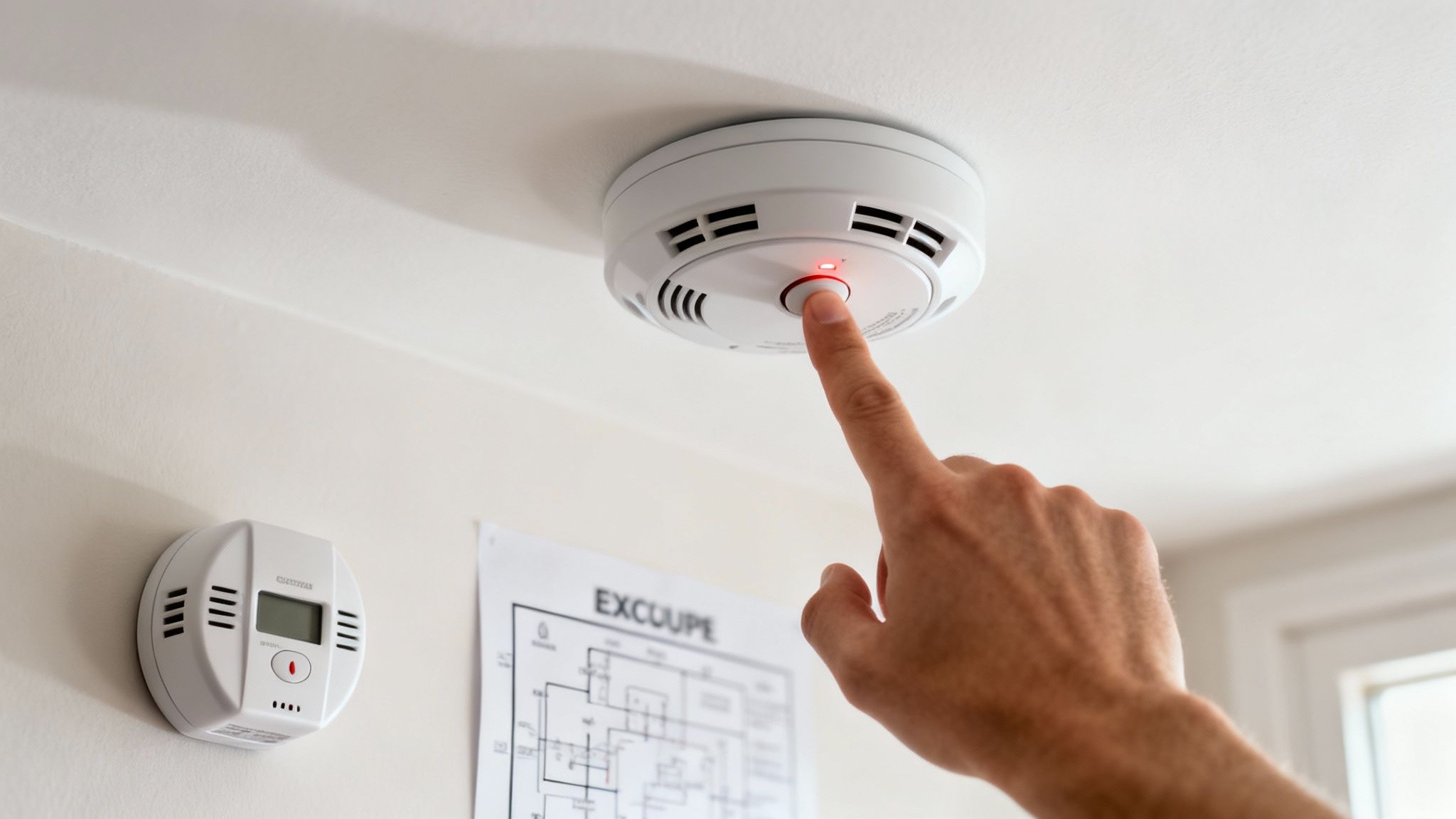
Often overlooked, your home's gutter and downspout system is a critical defense against water damage. Its primary job is to direct rainwater away from your foundation, siding, and landscaping. When gutters become clogged with leaves, twigs, and other debris, they can't perform this function, leading to a cascade of expensive problems, including foundation cracks, basement flooding, and wood rot. Regular cleaning is a small investment that prevents catastrophic repairs.
Key Gutter Maintenance Tasks:
- Perform Seasonal Cleanouts: The most important times to clean gutters are late fall after most leaves have dropped and early spring to prepare for heavy rains. In heavily wooded areas, you may need to clean them more frequently.
- Ensure Proper Water Flow: After clearing debris, use a hose to flush the gutters and downspouts. This confirms water is flowing freely and helps you spot any leaks or misalignments that need to be addressed.
- Check for Secure Fastenings: Walk the perimeter of your home and inspect the brackets and fasteners that hold the gutters in place. They can become loose over time due to weather and the weight of debris.
- Inspect and Extend Downspouts: Verify that downspouts are not dented or disconnected and that they extend at least four to six feet away from your foundation. This is crucial for preventing water from pooling and seeping into your basement or crawlspace. Explore additional tips in our comprehensive seasonal home maintenance checklist.
Keeping your gutters clear is a non-negotiable part of any annual home maintenance checklist. It's a proactive measure that protects your home's structural integrity and saves you from significant financial headaches.
4. Plumbing System Inspection
Often hidden behind walls and beneath floors, your home’s plumbing system is its circulatory network. An annual inspection is a critical part of any home maintenance checklist, designed to catch small issues like pinhole leaks or minor corrosion before they escalate into catastrophic failures. This preventative approach is key to avoiding significant water damage, mold growth, and the high cost of emergency repairs.
Key Plumbing Maintenance Tasks:
- Professional System Review: Schedule an annual inspection with a qualified plumber. They can assess water supply lines, drain systems, and the water heater for signs of wear, corrosion, or leaks that aren't visible to the naked eye. This includes checking water pressure and valve functionality.
- Water Heater Maintenance: An annual flush of your water heater tank removes sediment buildup. This simple task improves efficiency and can extend the unit's lifespan from an average of 8-10 years to over 12 years.
- Check All Fixtures and Valves: Regularly test all sink, shower, and toilet shut-off valves to ensure they are not seized. Look for drips from faucets or running toilets, as these small leaks can waste thousands of gallons of water and signal failing components.
- Monitor for Warning Signs: Keep an eye on your water bill for unexplained increases, a common indicator of a hidden leak. Address slow drains promptly, as they can point to developing clogs or venting issues that could lead to backups.
Proactively managing your plumbing system protects your property's value and ensures reliability. Catching a small leak early can prevent thousands of dollars in drywall, flooring, and mold remediation costs.
5. Electrical System Safety Check
An often-overlooked yet critical component of any annual home maintenance checklist is a thorough electrical system inspection. This goes beyond simply changing a lightbulb; it involves a professional review of your electrical panel, wiring, outlets, and safety mechanisms like Ground Fault Circuit Interrupters (GFCIs). A systematic check ensures your home is safe from electrical hazards, compliant with current codes, and capable of handling modern electrical loads.
Key Electrical Maintenance Tasks:
- Professional Panel and Wiring Inspection: Over time, connections can loosen and wiring insulation can degrade, creating significant fire risks. An electrician can identify these issues, spot outdated components like aluminum wiring, and ensure your panel isn't overloaded.
- Test GFCIs and AFCIs: Test GFCI outlets (typically found in kitchens and bathrooms) monthly by pressing the "TEST" button to ensure they cut power correctly. Arc Fault Circuit Interrupters (AFCIs) in your breaker panel, which protect against fire-causing electrical arcs, should also be tested regularly.
- Check Outlets and Switches: Look for outlets that are discolored, warm to the touch, or have loose-fitting plugs. These are warning signs that require immediate attention. Also, ensure all switches are working properly without flickering lights.
- Assess Surge Protection: In an age of sensitive electronics, whole-home surge protection is a wise investment. A professional can assess your needs and install a system at the panel to protect all your devices from damaging power spikes.
Regularly addressing your electrical system's health is a non-negotiable aspect of home safety, preventing potential disasters like house fires and electrocution while ensuring your system operates efficiently.
6. Exterior Caulking and Weatherstripping
Sealing the gaps in your home’s exterior is one of the most cost-effective tasks on any annual home maintenance checklist. Over time, the caulk and weatherstripping around windows, doors, and utility penetrations can crack, shrink, or peel away. This creates pathways for air, moisture, and pests to enter your home, leading to higher energy bills and potential water damage. A yearly inspection ensures your home remains a sealed, efficient, and protected environment.
Key Sealing and Insulation Tasks:
- Inspect and Replace Exterior Caulk: Carefully examine the sealant around window frames, door frames, and where different materials meet, like siding and trim. Look for gaps, cracks, or dried-out caulk. Scrape away the old material completely before applying a new bead of high-quality, exterior-grade silicone caulk. This simple fix prevents water from seeping behind siding and causing rot.
- Check Weatherstripping on Doors and Windows: Open your doors and windows to inspect the condition of the weatherstripping. If it is compressed, cracked, or brittle, it is no longer creating an effective seal. Replacing worn-out weatherstripping is an easy DIY project that immediately improves energy efficiency.
- Seal Gaps and Penetrations: Check where pipes, vents, and wires enter your home. These are common spots for air leaks. Use appropriate caulk or expanding foam sealant to close these gaps, preventing energy loss and blocking a common entry point for insects and rodents.
Properly sealing your home's envelope can reduce heating and cooling costs by up to 15%, paying for itself in energy savings while protecting your home's structural integrity from the elements.
7. Deck and Exterior Wood Inspection
Your home’s exterior wood elements, such as decks, fences, and siding, are constantly exposed to the elements, making them vulnerable to wear and tear. An annual inspection is a critical part of your home maintenance checklist, designed to catch potential issues like rot, insect damage, and structural instability before they become safety hazards or require costly replacements. This proactive approach preserves both the beauty and the structural integrity of your property.
Key Wood Maintenance Tasks:
- Inspect for Rot and Damage: Annually, and especially after winter, carefully examine all wood surfaces. Use a screwdriver to gently poke areas that look discolored or swollen. If the wood is soft or spongy, it's a sign of rot that needs immediate attention. Also, look for signs of insect damage like small holes or sawdust.
- Check Structural Integrity: Test the stability of deck railings, stairs, and support posts. Ensure all connections are secure and that there is no wobbling or sagging. A wobbly railing is a significant safety risk that should be addressed right away.
- Clean and Seal: At least once a year, thoroughly clean your deck and other wood surfaces to remove dirt, mold, and mildew. Reapply a quality sealant or stain every 2-3 years, or as needed, to protect the wood from moisture and UV damage, which is particularly harsh in Utah.
- Ensure Proper Drainage: Verify that water is not pooling on or around your deck and fences. Proper grading and clear gutters are essential to direct water away from wood structures, preventing moisture-related decay.
Regularly performing these checks not only extends the life of your exterior wood but also prevents a small issue like a single rotten board from compromising the entire structure and leading to a potential collapse.
8. Foundation and Basement Inspection
The foundation is your home's literal base, and its health is paramount to the entire structure's stability. An annual inspection of your foundation and basement is a critical part of any home maintenance checklist, designed to catch minor issues like hairline cracks or moisture intrusion before they escalate into costly, complex structural failures. This preventative check is especially vital in regions like Utah, where soil conditions and freeze-thaw cycles can put significant stress on foundations.
Key Foundation Maintenance Tasks:
- Inspect for Cracks and Settlement: Walk the interior and exterior of your foundation, looking for new or expanding cracks. Small vertical cracks are often due to normal settling, but horizontal or stair-step cracks in masonry can indicate serious pressure. Monitor existing cracks with a pencil mark and date to track any changes.
- Check for Moisture: In your basement or crawl space, look for damp spots, efflorescence (a white, powdery residue), or signs of water intrusion. These are early warnings of hydrostatic pressure or drainage problems that can lead to mold and structural decay.
- Ensure Proper Drainage: Verify that the ground around your home slopes away from the foundation (a minimum of six inches over ten feet). Also, confirm that downspouts and sump pump discharge lines extend at least six feet away to direct water clear of the structure.
- Test Sump Pump: If you have a sump pump, test it quarterly by pouring water into the pit to ensure the float activates and the pump engages. This simple test can prevent a flooded basement during heavy rains.
Regularly performing these checks helps maintain your home’s structural integrity and prevents water damage. Understanding the full scope of what a professional looks for can be beneficial; you can learn more about what is included in a professional home assessment by reviewing this comprehensive guide on what a home inspection covers.
9. Attic and Insulation Evaluation
The often-overlooked attic plays a critical role in your home's overall health, acting as a buffer against the elements and a key component of your energy efficiency strategy. An annual attic inspection is a vital part of any home maintenance checklist, as it can reveal hidden issues with insulation, ventilation, moisture, and pests before they escalate. Proper attic care ensures your home stays comfortable year-round while keeping utility bills in check.
Key Attic Maintenance Tasks:
- Assess Insulation Levels: Your attic's insulation is your primary defense against heat loss in winter and heat gain in summer. Use a ruler to measure its depth; for most Utah climates, you'll want at least 16-18 inches (R-49 to R-60) of fiberglass or cellulose insulation. Adding insulation can reduce heating and cooling costs by 15-20%.
- Check for Leaks and Moisture: Scan the underside of the roof deck and around any penetrations like vents or chimneys for water stains or dark spots. Early detection of a roof leak can prevent widespread mold growth and significant structural damage to the attic and ceilings below.
- Inspect Ventilation: Proper airflow is crucial for a healthy attic. Ensure that insulation is not blocking soffit vents, which allow cool air to enter, and that ridge or gable vents are clear to let hot air escape. This prevents ice dams in winter and reduces the strain on your AC in summer.
- Seal Air Leaks: Gaps around pipes, vents, light fixtures, and the attic access hatch can be major sources of air leakage. Sealing these with caulk or spray foam is a simple DIY task that significantly improves your home's energy efficiency and comfort.
A well-maintained attic is essential for protecting your investment, improving indoor air quality, and maintaining structural integrity. Regular checks can save you from costly future repairs.
10. Appliance Maintenance and Inspection
Major home appliances are the workhorses of your household, running daily to provide comfort and convenience. An annual home maintenance checklist would be incomplete without a dedicated focus on these systems. Consistent inspection and upkeep not only extend their lifespan but also ensure they operate efficiently and safely, preventing unexpected breakdowns and costly emergency repairs.
Key Appliance Maintenance Tasks:
- Water Heater Service: Annually drain a few gallons from the tank to remove sediment, which improves efficiency and longevity. Every 3-5 years, inspect and consider replacing the anode rod to prevent tank corrosion. This simple maintenance can often extend a water heater's life from an average of 8 years to well over 12.
- HVAC System Tune-Up: Schedule a professional service for your furnace and air conditioner. A technician will clean components, check refrigerant levels, and ensure safe operation, improving efficiency and catching issues before they lead to system failure.
- Refrigerator and Freezer Care: Clean the condenser coils on the back or bottom of your refrigerator at least twice a year. Dust and pet hair buildup force the compressor to work harder, increasing energy consumption.
- Laundry Appliance Safety: Inspect washing machine hoses for bulges, cracks, or leaks annually. Most importantly, have your dryer vent duct professionally cleaned each year to remove flammable lint buildup, a significant fire hazard.
Regularly tending to these crucial appliances protects your investment and maintains a safe, efficient home environment. It's a proactive step that pays dividends in reliability and lower energy bills.
11. Landscaping and Exterior Grounds Assessment
The health of your landscaping and the condition of your exterior grounds are directly linked to the structural integrity and safety of your home. A thorough annual assessment of your property's trees, shrubs, lawn, and grading is a critical part of a comprehensive home maintenance checklist. This proactive evaluation helps maintain curb appeal while preventing potential damage from overgrown vegetation and improper water drainage.
Key Landscaping and Grounds Maintenance Tasks:
- Prune Trees and Shrubs: Proactively trim any tree branches that are within 6-10 feet of your roof or siding. This simple step prevents storm damage, limits access for pests, and prolongs the life of your exterior materials by reducing moisture and debris buildup. For large or hazardous trees, always hire a certified arborist.
- Evaluate Grading and Drainage: Walk your property, especially during a rainstorm, to ensure water flows away from your foundation. Improper grading is a leading cause of basement leaks and foundation damage. Correcting the slope can save you from catastrophic water-related repairs.
- Clear Perimeter and Remove Debris: Maintain a clear space of at least five feet around your home's perimeter. Remove fallen branches, leaf litter, and overgrown vegetation, as this material can attract pests like termites and rodents, giving them a direct path into your home.
- Aerate and Maintain Lawn Health: A healthy, dense lawn is your first line of defense against soil erosion. Annual aeration helps the root system grow stronger, improving water absorption and preventing runoff that could otherwise pool against your foundation.
Proper groundskeeping is more than just aesthetics; it's a fundamental aspect of protecting your home's structure from water, pests, and physical damage.
12. Fire Safety and Smoke/Carbon Monoxide Detector Check
Beyond structural integrity, your home’s most critical maintenance involves life-safety systems. An annual fire safety review is a non-negotiable part of any home maintenance checklist, ensuring your warning systems are active and your family is prepared for an emergency. This proactive check is fundamental to protecting your loved ones and property from the devastating threats of fire and carbon monoxide.
Key Fire Safety Maintenance Tasks:
- Test All Detectors: A working smoke or carbon monoxide (CO) detector can be the difference between a close call and a tragedy. Test every unit monthly by pressing the "test" button to ensure the alarm sounds. This simple action confirms the device has power and its internal circuitry is functioning.
- Replace Batteries and Units: Change the batteries in all smoke and CO detectors at least once a year, with many homeowners in Utah opting to do this twice annually when the clocks change. Remember that detectors have a limited lifespan; replace smoke detectors every 10 years and CO detectors every 8-10 years, depending on the model.
- Check Fire Extinguishers: Ensure your fire extinguishers are accessible, fully charged, and not expired. The pressure gauge should be in the green zone. Most homeowners keep one in the kitchen and another in the garage or near major appliances.
- Develop and Practice an Escape Plan: Technology is only one part of the equation. Every household should have a fire escape plan that includes two ways out of every room and a designated meeting spot outside. Practice this plan with your entire family at least twice a year.
Regularly tending to these safety devices provides peace of mind and ensures your first line of defense against fire and carbon monoxide poisoning is ready to perform when needed most.
12-Point Annual Home Maintenance Comparison
| HVAC System Inspection and Filter Replacement | Low–Medium (routine tasks; pros for servicing) | Filters, HVAC technician visits, basic tools, occasional refrigerant service | Improved efficiency, fewer breakdowns, better indoor air quality, extended lifespan | Annual tune-ups, pre-season HVAC checks | Energy savings, reliability, warranty maintenance |
| Roof Inspection and Maintenance | Medium–High (safety risk; professional for steep roofs) | Ladder/binoculars, roofing contractor, repair materials | Early leak detection, prevented water damage, extended roof life | Post-storm checks, aging roofs, warranty inspections | Avoids costly repairs, preserves structure, insurance compliance |
| Gutter and Downspout Cleaning | Low–Medium (ladder work; DIY possible) | Ladder, gloves, gutter tools, optional gutter guards, pro for heavy debris | Proper drainage, reduced foundation/landscape damage, fewer pest issues | Fall/spring maintenance, homes with trees or heavy rain | Low-cost prevention, reduces flooding and pests |
| Plumbing System Inspection | Medium (specialized tools and diagnostics) | Licensed plumber, leak detection tools, drain camera if needed | Leak detection, prevents water damage, maintained water heater and pipes | Older homes, unexplained water bills, pre-sale inspections | Early leak prevention, avoids major repairs, preserves water quality |
| Electrical System Safety Check | Medium–High (requires licensed electrician) | Electrician, testing equipment, possible panel/upgrade parts | Reduced fire/shock risk, code compliance, stable electrical service | Older wiring, frequent breaker trips, renovations | Safety assurance, insurance/code compliance, prevents electrical fires |
| Exterior Caulking and Weatherstripping | Low (DIY-friendly; requires correct technique) | Quality caulk, weatherstripping, caulking gun, dry weather | Reduced drafts, lower energy bills, prevented water infiltration | Drafty windows/doors, energy-efficiency retrofits | Low cost, quick ROI, improves comfort |
| Deck and Exterior Wood Inspection | Medium (structural assessment; pros for repairs) | Inspector/carpenter, repair materials, stain/sealant, hardware | Prevents structural failure, extends deck life, early pest detection | Aging decks, visible rot, post-winter checks | Safety assurance, prolongs lifespan, maintains curb appeal |
| Foundation and Basement Inspection | High (specialist diagnosis often required) | Structural engineer/contractor, moisture testing, sump pump checks | Identifies settlement/moisture, prevents catastrophic structural damage | Cracks, basement moisture, pre-purchase or major remodels | Protects structural integrity, avoids expensive repairs |
| Attic and Insulation Evaluation | Medium (inspection simple; upgrades more involved) | Attic access, insulation materials, ventilation assessment, PPE | Improved energy efficiency, moisture control, pest detection | High energy bills, insufficient insulation, ice dam prevention | Energy savings, mold prevention, improved comfort |
| Appliance Maintenance and Inspection | Low–Medium (basic DIY; pros for some appliances) | Basic tools, appliance technicians, replacement parts | Extended appliance life, improved efficiency, fewer failures | Annual home maintenance, aging appliances | Cost savings, warranty protection, safer operation |
| Landscaping and Exterior Grounds Assessment | Medium (may require arborists/landscapers) | Arborist/landscaping crew, grading/drainage equipment for fixes | Better drainage, reduced risk to structure, improved curb appeal | Large trees near house, drainage problems, seasonal care | Prevents damage, increases property value, improves water management |
| Fire Safety and Smoke/Carbon Monoxide Detector Check | Low (simple testing; pro chimney checks sometimes) | Detectors, batteries, fire extinguishers, occasional chimney inspection | Life-safety readiness, reduced fire/CO risk, code/insurance compliance | Every home annually, homes with gas appliances or fireplaces | High life-safety impact, low cost, easy maintenance |
Your Partner in Year-Round Property Preservation
Navigating the comprehensive world of home upkeep can feel like a monumental undertaking. From the rooftop to the foundation, and through every season, your property is a complex system requiring consistent attention. The annual home maintenance checklist we've detailed is not just a list of chores; it is a strategic blueprint for safeguarding your most significant investment, ensuring the safety of your family, and preventing small issues from escalating into costly disasters.
By breaking down tasks by season-from spring's exterior revival to winter's interior fortification-you transform a daunting year-long list into manageable, quarterly objectives. This proactive approach is the cornerstone of smart property ownership. It shifts the dynamic from reactive repairs, often performed under stress and at a premium cost, to proactive preservation, which saves money, time, and headaches in the long run.
From Checklist to Confidence: Key Takeaways
The true value of this guide lies in its practical application. Remember these core principles as you implement your maintenance strategy:
- Consistency is Crucial: Performing a quick check is better than skipping it entirely. Regular inspections of your HVAC system, plumbing, and roof allow you to catch subtle changes before they become major failures.
- Documentation Matters: Keep a simple log or digital file of inspections, repairs, and professional service visits. This history is invaluable for troubleshooting future problems and provides a compelling record of care when you decide to sell your property.
- Know Your Limits: While DIY spirit is commendable for tasks like changing filters or cleaning gutters, recognizing when to call a professional is a critical skill. Electrical systems, significant roof repairs, and foundation concerns involve specialized knowledge and equipment. Attempting these without expertise can lead to unsafe conditions and more expensive damage.
Mastering this checklist means more than just a well-maintained home; it means gaining peace of mind. It’s the confidence of knowing your smoke detectors are functional, your foundation is solid, and your home is prepared for Utah’s distinct seasonal challenges. It’s the financial security that comes from maximizing your property’s value and minimizing unexpected, budget-breaking repair bills. This isn't just about maintenance; it's about stewardship and creating a safe, comfortable, and resilient environment for years to come.
Ultimately, your home is your sanctuary. Protecting it is a continuous journey, not a one-time event. This annual home maintenance checklist provides the map, but you are the one who takes the steps. Embrace the process, celebrate the small victories, and never hesitate to seek expert guidance when the path ahead seems unclear. Your dedication today is the foundation of your home’s longevity and your family's security tomorrow.
Don't let your maintenance to-do list become a source of stress. When you encounter a task that's beyond your scope or need a trusted partner for larger projects, turn to the experts at Northpoint Construction. From structural inspections and custom remodeling to ensuring your property is secure and well-maintained, our team provides the professional support you need to turn your checklist into a reality. Contact Northpoint Construction today to schedule a consultation and experience true peace of mind.