
Top 10 Common Home Inspection Problems in 2025: A Utah Homeowner's Guide
A home inspection is a pivotal moment in any real estate transaction, serving as a non-invasive, visual examination of a property's condition. For buyers, it uncovers potential deal-breakers and future expenses. For sellers, it identifies issues that could derail a sale. This process is designed to reveal the hidden story of a house, from its structural integrity to the operational state of its essential systems. Understanding the most common home inspection problems is crucial for navigating this process effectively, whether you are buying, selling, or simply maintaining your property in areas like Orem, Provo, or Lehi.
This guide provides a comprehensive breakdown of the top 10 issues that home inspectors frequently flag. We will explore each problem in detail, covering everything from minor maintenance needs to significant structural concerns. You will learn what to look for, the typical causes, the urgency of repairs, and estimated costs to address them. Our goal is to empower you with actionable knowledge, transforming a potentially stressful report into a clear roadmap for decision-making.
For instance, one of the most frequently cited issues involves the roof, a home's primary defense against the elements. Inspectors check for everything from aging shingles to improper flashing. For a deeper dive into what a professional roof inspection entails, including its process and benefits, refer to this a comprehensive guide to roof inspection services. By familiarizing yourself with these common pitfalls before the inspection, you can protect your investment, negotiate with confidence, and ensure the long-term safety and value of your home. Let’s dive into the critical areas that demand your attention.
1. Roof Damage and Deterioration
As the primary shield against the elements, your roof's condition is paramount to your home's overall health. Roof damage is one of the most frequently cited and critical common home inspection problems, as even minor issues can lead to catastrophic and expensive secondary damage like water intrusion, mold growth, and structural rot. An inspector will meticulously check for signs of wear and tear, from individual shingle integrity to the overall structural soundness.
What Inspectors Look For
An inspector's evaluation goes beyond a quick glance. They are looking for specific red flags that indicate current or future problems.
- Shingle Condition: Are shingles curled, cracked, or missing entirely? Granule loss, visible as sandy debris in gutters, is another sign of an aging roof.
- Flashing and Seals: The metal strips around chimneys, vents, and skylights (flashing) are common failure points. Inspectors check for rust, gaps, or deteriorated sealant.
- Structural Signs: A sagging roofline can indicate serious structural issues with the trusses or rafters, often caused by water damage or excessive weight.
- Attic Inspection: Inside, they’ll look for water stains on the underside of the roof deck, wet insulation, or signs of daylight, all indicating active leaks.
Common Causes and Urgency
Roof damage can stem from a variety of sources, each with a different level of urgency. Age is the most common factor; a typical asphalt shingle roof in Utah lasts 20-25 years. Severe weather, like the high winds common in Saratoga Springs or heavy snow in the Wasatch Front, can cause acute damage. Poor installation or improper ventilation can also lead to premature failure.
Key Insight: A small leak found during an inspection is a high-priority issue. Unaddressed, it can saturate insulation, damage drywall, and lead to mold, turning a simple repair into a major remediation project.
Deciding between a targeted fix and a full replacement can be complex. For a deeper dive into making this crucial decision, you can explore the differences between roof repair vs. replacement on buildnp.com. If your home inspection report notes any level of roof deterioration, contacting Northpoint Construction for a professional assessment in the Orem or Lehi area is a critical next step to protect your investment.
2. Foundation Cracks and Settlement Issues
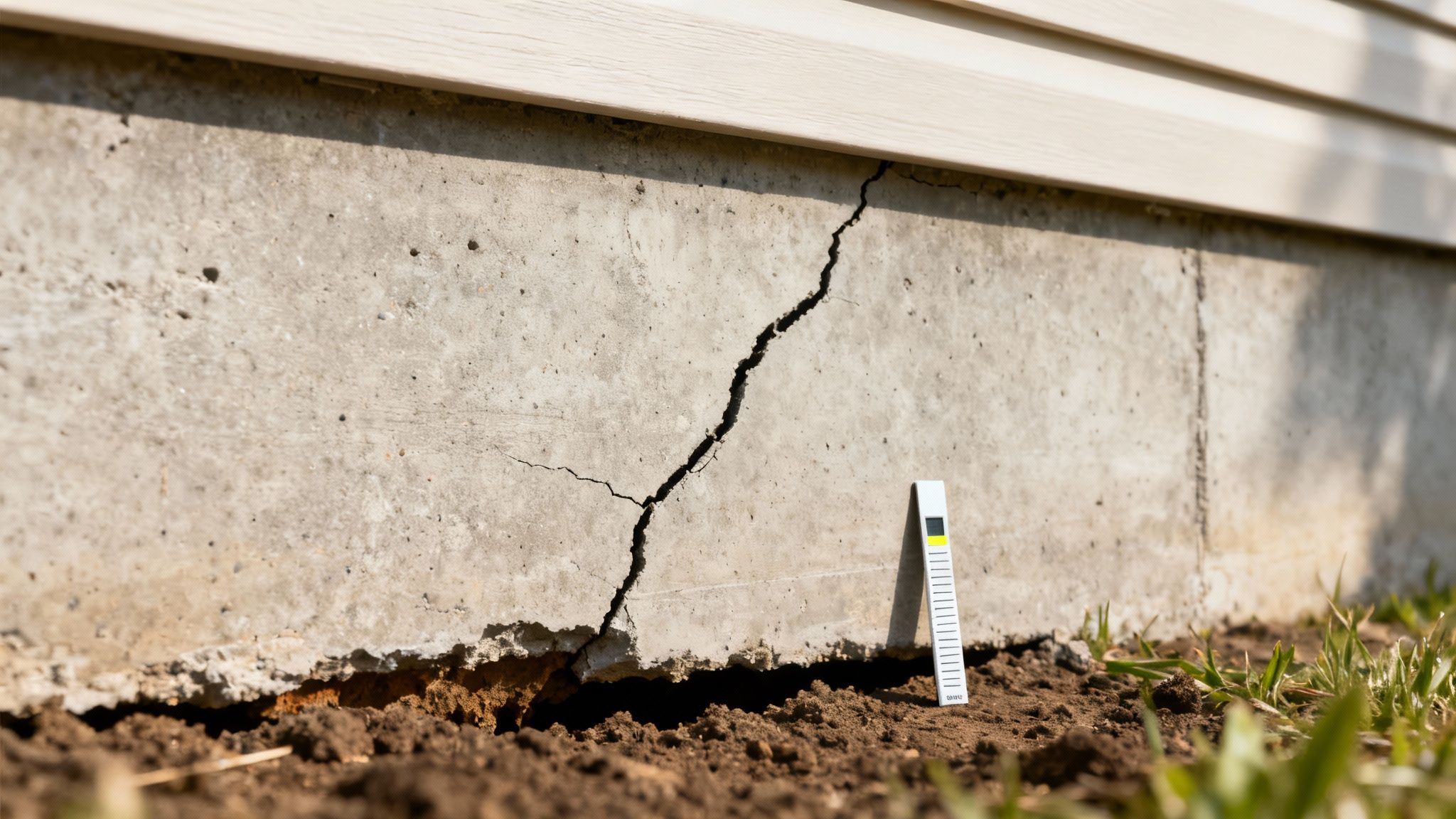
The foundation is the literal bedrock of your home, and its stability is non-negotiable for the safety and longevity of the structure. Foundation flaws are among the most serious and potentially expensive common home inspection problems an inspector can uncover. Issues like cracks, settlement, or bowing walls can compromise the entire home's integrity, affecting everything from door frames to the roofline. An inspector will carefully examine the foundation, both inside and out, for any sign of distress.
What Inspectors Look For
A thorough foundation inspection involves identifying subtle clues that point to larger structural movements. Inspectors are trained to spot issues that most homeowners might overlook.
- Crack Analysis: They analyze the type, size, and direction of cracks. Hairline vertical cracks may be simple shrinkage, but horizontal cracks, wide vertical cracks, or stair-step cracks in brickwork can signal significant pressure or settlement.
- Level and Plumb: Inspectors check for bowing or bulging foundation walls, especially in basements. They also look for sloping floors, doors that stick, and windows that are difficult to open, all of which indicate the house is settling unevenly.
- Moisture Intrusion: Water stains, efflorescence (a white, chalky deposit), or active water seepage in the basement or crawl space are red flags for foundation leaks and hydrostatic pressure.
- Exterior Gaps: Gaps between the foundation and exterior features like stairs, porches, or the chimney can show that part of the home is pulling away or sinking.
Common Causes and Urgency
Foundation problems are often caused by the soil your home is built on. The expansive clay soils found throughout Utah County, from Provo to American Fork, swell when wet and shrink when dry, putting immense pressure on foundations. Poor drainage is another major culprit; water pooling against the foundation can erode soil and exert hydrostatic pressure. Other causes include plumbing leaks under the slab, tree roots, or even original construction flaws.
Key Insight: Not all foundation cracks are a crisis, but any horizontal crack or a crack wider than a quarter-inch warrants immediate expert evaluation. Ignoring these signs can lead to catastrophic failure, turning a manageable repair into a six-figure structural rebuild.
If your home inspection reveals any signs of foundation distress, the next step is crucial. It’s essential to bring in a structural engineer for an unbiased assessment before committing to repairs. For expert guidance on managing drainage and preventing water-related foundation damage in the Lehi area, contacting a professional like Northpoint Construction can provide a clear path forward and protect your home's core stability.
3. Electrical System Deficiencies
Deficiencies within a home's electrical system are among the most serious common home inspection problems an inspector can uncover. Beyond mere inconvenience, faulty wiring and outdated components pose significant safety risks, including electrical shock and house fires. An inspector performs a non-invasive but thorough visual examination of the system to identify red flags that could jeopardize the safety of the home and its occupants.
What Inspectors Look For
An inspector methodically checks the electrical system's visible components for signs of amateur work, aging, and non-compliance with modern safety standards.
- Service Panel and Wiring: The main panel is checked for issues like overloaded circuits, improperly sized breakers, double-tapped breakers, and poor labeling. Inspectors also look for outdated wiring types, such as knob-and-tube or aluminum wiring common in older homes, which can be difficult to insure.
- Outlets and Switches: Inspectors use a tester to check for proper grounding, correct polarity, and the functionality of safety devices like Ground Fault Circuit Interrupters (GFCIs) in required areas like kitchens and bathrooms.
- Safety Hazards: They look for exposed wiring, uncovered junction boxes, and extension cords used as permanent wiring, all of which are immediate safety concerns.
- System Capacity: The inspector will note the amperage of the main service (e.g., 60, 100, or 200 amps) to determine if it’s sufficient for a modern household's electrical demands.
Common Causes and Urgency
Many electrical issues stem from a system's age. Homes in Provo or American Fork built before the 1970s may have insufficient capacity or hazardous wiring not designed for today's appliance loads. Unpermitted or DIY additions are another frequent cause, often leading to code violations and dangerous conditions. Any identified electrical hazard, from a missing GFCI to an overcrowded panel, requires prompt attention.
Key Insight: The presence of aluminum wiring, used in many homes from the mid-1960s to the early 1970s, is a major red flag. Its tendency to overheat at connection points creates a significant fire risk and may cause insurers to deny coverage until it's remediated by a licensed electrician.
If your inspection report flags any electrical deficiencies, it is not a DIY project. The risks are too high. Contacting Northpoint Construction ensures a qualified and licensed electrician can safely assess the issues and bring your home's system up to modern safety standards.
4. Plumbing Issues and Leaks
Plumbing systems are the circulatory system of a home, yet they are often hidden behind walls and beneath floors. This makes plumbing one of the most concerning areas for common home inspection problems, as even a small, unseen leak can cause extensive and costly water damage, mold, and structural decay. An inspector will assess the entire system, from supply lines and fixtures to drains and water heaters, looking for signs of failure.
What Inspectors Look For
A thorough plumbing inspection involves a multi-point check of the home’s supply and drainage systems to identify both active issues and potential future failures.
- Pipe Material and Condition: Inspectors identify the type of pipes used (e.g., copper, PEX, galvanized, polybutylene) and check for corrosion, rust, or signs of leaks. Older homes in areas like Provo may have galvanized pipes that are prone to restricting water flow.
- Fixtures and Drains: They test all faucets, toilets, and showers for proper operation, adequate water pressure (typically 40-80 PSI), and slow drains, which can indicate a clog or venting problem.
- Water Heater: The inspector checks the age, condition, and installation of the water heater, looking for leaks, corrosion, or improper ventilation.
- Visible Leaks: Obvious signs of moisture, water stains on ceilings or under sinks, and soft spots in floors are major red flags that will be noted immediately.
Common Causes and Urgency
Plumbing issues can arise from aging materials, improper installation, or environmental factors. Homes built between 1978 and 1995 may contain polybutylene pipes, notorious for becoming brittle and failing unexpectedly. In newer homes, pinhole leaks in copper pipes can occur due to local water chemistry. Any active leak is an urgent issue that requires immediate attention.
Key Insight: A functional plumbing system is more than just leak-free. Inadequate water pressure, slow drains, or gurgling sounds can point to systemic problems like failing galvanized pipes or improper venting, which can impact daily life and lead to more significant repairs down the road.
Understanding the variety of potential issues is crucial for any homeowner. For a comprehensive overview, reviewing a list of common plumbing problems and solutions can provide valuable context. If your inspection report flags any plumbing concerns, from a dripping faucet to low pressure, contacting Northpoint Construction for a professional evaluation in American Fork or the surrounding Utah County is a wise first step.
5. HVAC System Malfunctions
A home’s heating, ventilation, and air conditioning (HVAC) system is its mechanical heart, responsible for comfort and air quality. Given their complexity and constant use, HVAC malfunctions are incredibly frequent common home inspection problems. Issues can range from simple maintenance oversights to complete system failure, representing a significant potential expense for new homeowners. An inspector will run the system and perform a visual check to identify signs of neglect, inefficiency, or impending breakdown.
What Inspectors Look For
An inspector performs a functional and visual assessment of the HVAC system to gauge its health and operational capacity. They focus on key indicators of performance and safety.
- System Age and Condition: They will document the age of the furnace, air conditioner, and water heater. Systems older than 15-20 years are often flagged for nearing the end of their service life, even if currently functional.
- Operational Performance: Inspectors will run the heat and AC to ensure they produce appropriately conditioned air. They check for strange noises, weak airflow from vents, and inaccurate thermostat readings.
- Filter and Ductwork: A dirty, clogged filter is a major red flag for poor maintenance. They will also look for visible signs of disconnected, uninsulated, or damaged ductwork in accessible areas like attics and crawlspaces.
- Safety and Leaks: For furnaces, they check for proper ignition and flame color. For AC units, they look for signs of refrigerant leaks (oily residue on coils) or clogged condensate drain lines, which can cause water damage.
Common Causes and Urgency
The leading cause of HVAC issues is a lack of routine maintenance. Forgetting to change filters or skipping annual professional service can lead to reduced efficiency, strain on components, and premature failure. Improper installation or incorrectly sized units are also common, causing systems to run constantly without adequately heating or cooling the space, a frequent issue in homes across the Orem and Provo area.
Key Insight: A 20-year-old furnace that appears to be working might be operating at only 60-70% efficiency. This hidden inefficiency could cost hundreds of extra dollars in utility bills annually and poses a higher risk of a sudden, critical failure during a Wasatch Front cold snap.
An aging or poorly maintained HVAC system requires immediate attention. If your inspection report highlights concerns, it's wise to have a licensed HVAC technician from a trusted company like Northpoint Construction perform a more detailed evaluation. This can provide a clear picture of remaining lifespan and potential repair or replacement costs, which is crucial information during home purchase negotiations.
6. Water Damage and Moisture Intrusion
Few issues strike fear into a homeowner's heart like water damage. As one of the most destructive and costly common home inspection problems, uncontrolled moisture can silently compromise your home's structural integrity, ruin finishes, and create serious health hazards. An inspector will hunt for both obvious and subtle signs of moisture intrusion, as even a small leak can escalate into a major crisis.
What Inspectors Look For
Inspectors use a trained eye and specialized tools, like moisture meters, to uncover evidence of water problems that homeowners might miss. They systematically check vulnerable areas for telltale signs.
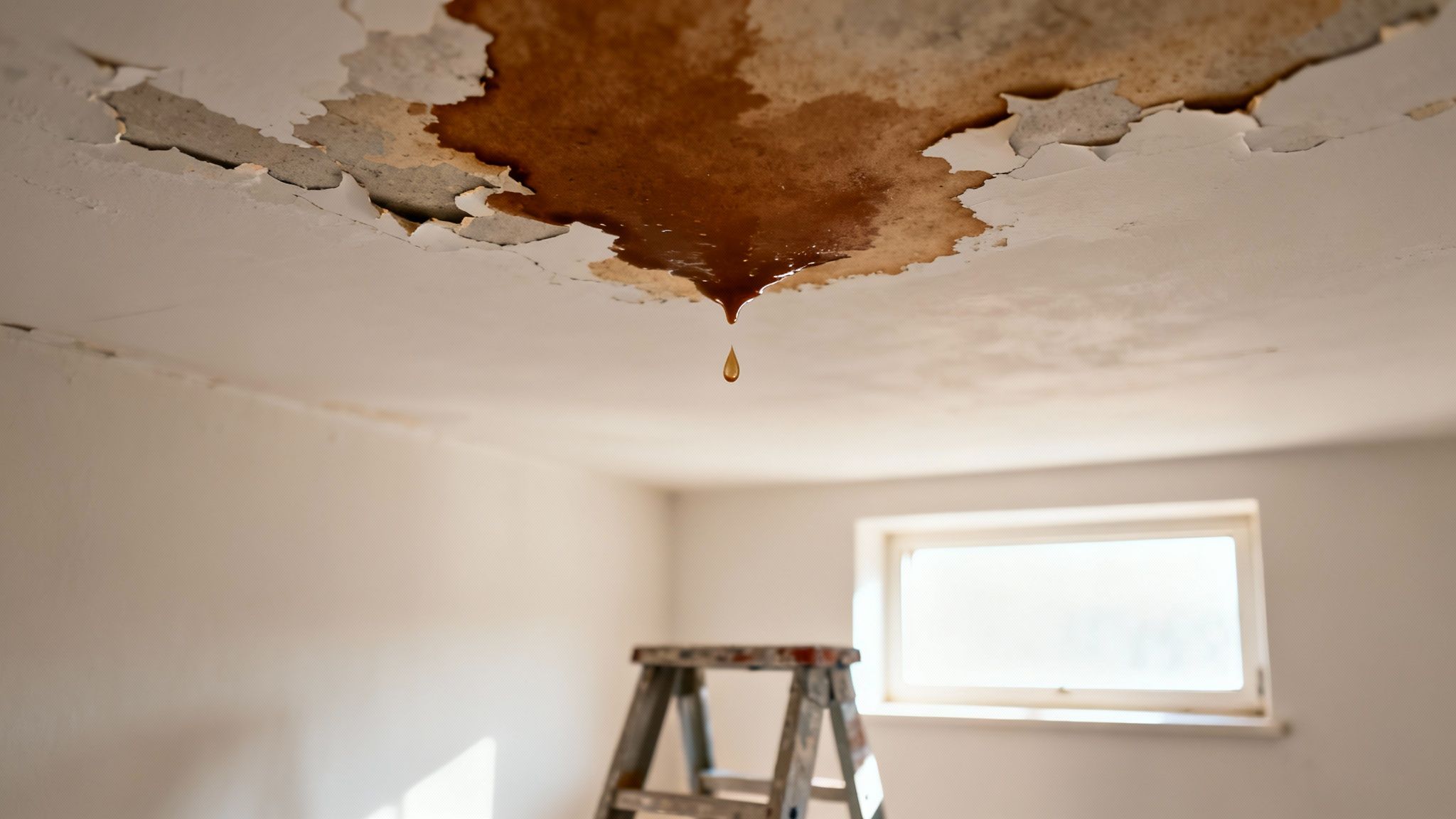
- Stains and Discoloration: Dark or brownish stains on ceilings and walls are classic indicators of a leak from a roof or plumbing failure above.
- Peeling, Bubbling, or Cracking: Moisture behind paint or drywall causes it to lose adhesion, resulting in bubbling or peeling surfaces.
- Musty Odors and Visible Mold: A persistent damp, musty smell often points to hidden moisture. Inspectors will look for visible signs of mold or mildew, especially in basements, bathrooms, and attics.
- Efflorescence: A white, chalky powder on basement walls or concrete slabs indicates water has seeped through the masonry and evaporated, leaving mineral deposits behind.
Common Causes and Urgency
Water can find its way into your home through numerous pathways. Leaky roofs, faulty plumbing, and foundation cracks are primary culprits. In Utah, the hydrostatic pressure from spring snowmelt can force water into basements in homes from Orem to Saratoga Springs. Poor exterior grading and clogged gutters that don't direct water away from the foundation are also major contributors.
Key Insight: The urgency of addressing water intrusion cannot be overstated. Water damage is progressive; what starts as a damp spot can lead to wood rot, compromised foundations, and widespread mold growth in a matter of weeks, posing health risks and requiring expensive remediation.
Discovering water in your basement is a red flag that demands immediate attention to prevent long-term structural harm. For a comprehensive guide on protecting your home's lower level, you can discover strategies for waterproofing basement walls on buildnp.com. If your inspection reveals any sign of moisture intrusion, contacting Northpoint Construction is a critical step to diagnose the source and implement a lasting solution.
7. Mold Growth and Indoor Air Quality
Discovering mold is a significant red flag during a home inspection, as its presence points directly to an underlying moisture problem. Beyond its unsightly appearance, mold poses a serious health risk, releasing spores that can degrade indoor air quality and trigger allergic reactions, asthma attacks, and other respiratory issues. For this reason, inspectors treat signs of mold as one of the most critical common home inspection problems to identify and report.
What Inspectors Look For
Inspectors are trained to spot both visible mold and the conditions that encourage its growth. They use a combination of visual cues and tools to assess the risk.
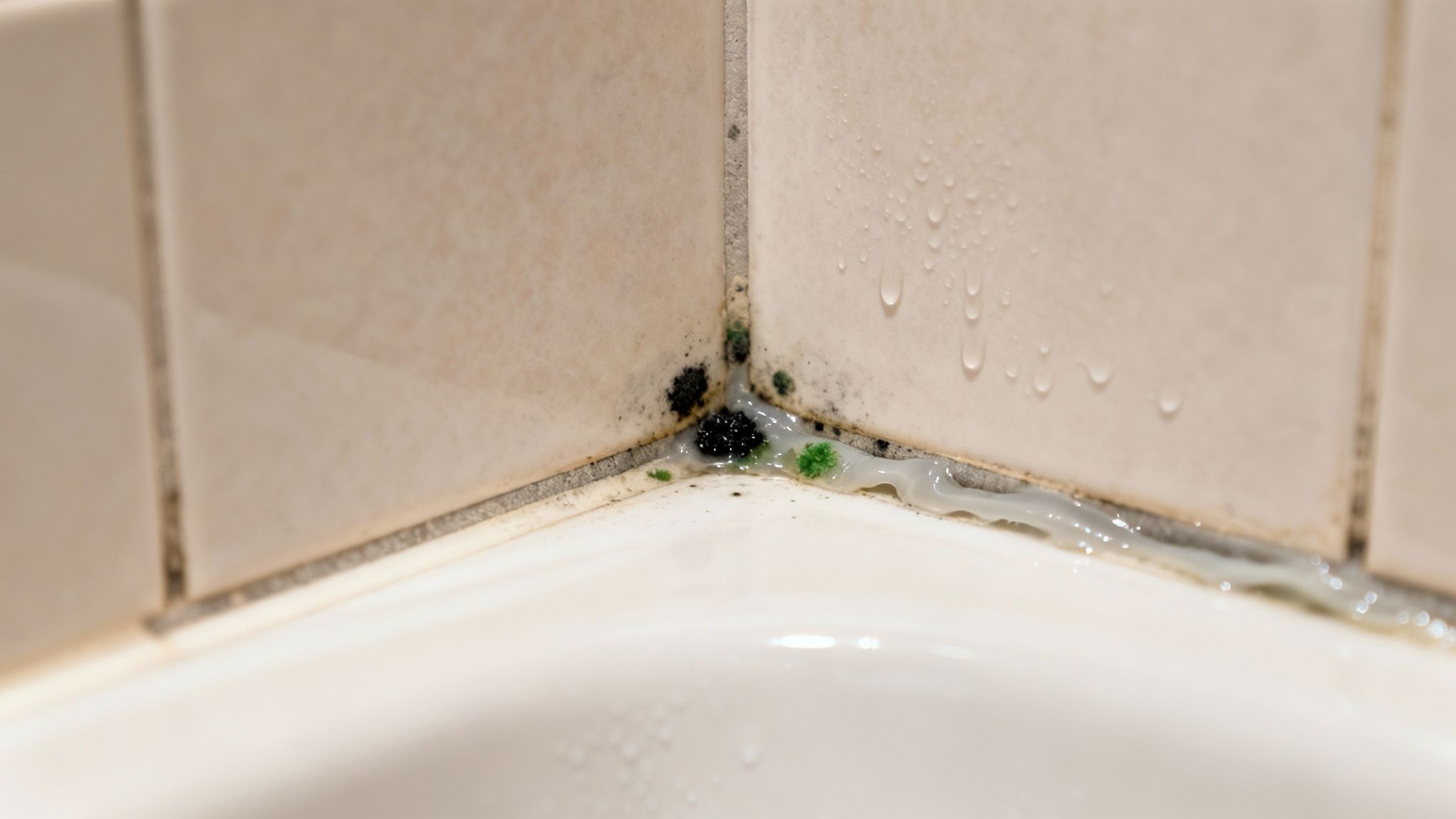
- Visible Growth: They look for classic signs of mold, which can appear as black, green, or white specks, stains, or fuzzy patches on walls, ceilings, and in corners.
- Musty Odors: A persistent damp or musty smell, especially in basements, bathrooms, or attics, is a strong indicator of hidden mold.
- Moisture Sources: Inspectors will use moisture meters to detect elevated moisture levels in drywall, wood, and other building materials, even if mold isn't visible.
- Poor Ventilation: Areas like bathrooms without exhaust fans or attics with blocked vents are prime locations for mold growth due to trapped, humid air.
Common Causes and Urgency
Mold requires moisture to thrive. Its presence is always a symptom of a larger issue, such as an unresolved plumbing leak, foundation seepage, high indoor humidity, or condensation from poor ventilation. The urgency is high because mold spreads quickly and the cost of remediation grows exponentially as it colonizes more areas. A small patch in a bathroom is easier to handle than a widespread infestation in an attic or behind drywall.
Key Insight: Simply cleaning or painting over visible mold is ineffective and dangerous. The underlying moisture source must be completely resolved first, and then the mold must be properly remediated to prevent it from returning and continuing to affect your home's air quality.
Because basements are particularly susceptible to the damp conditions that foster mold, understanding proactive measures is key. For expert advice on keeping your lower level dry and healthy, review these strategies for preventing mold in basements on buildnp.com. If your inspection reveals any mold or high moisture readings, contacting Northpoint Construction for a professional assessment in the Orem or Provo area is essential for protecting your property and your family's health.
8. Pest Infestation and Wood-Destroying Organisms
Beyond the visible structure of a home lies a hidden threat that can literally eat away at its foundation. Pest infestations, especially from wood-destroying organisms like termites and carpenter ants, are one of the most destructive common home inspection problems. These silent invaders can compromise structural integrity for years before being discovered, turning solid wood framing into a hollow shell. A home inspector is trained to spot the subtle signs of their presence.
What Inspectors Look For
Detecting pests requires a keen eye for details that most people would overlook. Inspectors search for direct evidence of infestation and conditions that attract pests.
- Evidence of Termites: The most telling signs are mud tubes along foundation walls, in crawl spaces, or on joists. Inspectors will also look for hollow-sounding or damaged wood.
- Signs of Carpenter Ants: Unlike termites, carpenter ants excavate wood for nests but don't eat it. Inspectors look for small piles of coarse sawdust (called frass) near baseboards, in basements, or in attics.
- Wood Damage: Inspectors probe exposed wood structures, particularly sill plates and floor joists in basements and crawl spaces, checking for softness, hollowness, or patterns of damage characteristic of wood-boring beetles.
- Conducive Conditions: Standing water near the foundation, firewood stacked against the house, and direct wood-to-soil contact are all major red flags that create a welcoming environment for pests.
Common Causes and Urgency
The primary cause of most pest infestations is moisture. Leaky pipes, poor exterior drainage, and damp crawl spaces create the ideal habitat for termites and carpenter ants. Homes in wooded areas or with mature landscaping are also at higher risk, as trees and mulch can bridge the gap from the ground to the home's structure. Proximity to other infested properties can also lead to migration.
Key Insight: Finding evidence of wood-destroying insects is a critical issue that requires immediate professional evaluation. The visible damage is often just the tip of the iceberg, and the full extent of the structural compromise must be assessed by a specialist.
If your home inspection uncovers signs of pests, the next step is a specialized inspection from a licensed pest control company. They can determine the species, the extent of the infestation, and recommend a treatment plan. Any subsequent structural repairs, especially in critical areas like foundations or support beams, should be handled by a qualified contractor like Northpoint Construction to ensure your home's safety and stability are fully restored.
9. Inadequate or Unsafe Ventilation Systems
Proper ventilation is an often-overlooked but vital system for a home's health, impacting everything from indoor air quality to structural integrity. Inadequate ventilation is one of the most insidious common home inspection problems because its effects are cumulative and often hidden. Issues like trapped moisture can lead to mold, rot, and poor air quality, while improper venting of combustion appliances poses a serious safety risk.
What Inspectors Look For
An inspector will assess the home’s entire ventilation network, from mechanical fans to passive attic systems, looking for deficiencies that could cause harm.
- Exhaust Fan Ducting: A common defect is finding bathroom or kitchen exhaust fans venting directly into the attic or a wall cavity instead of outside. This pumps warm, moist air where it can condense and cause mold and wood rot.
- Appliance Venting: They check that appliances like furnaces, water heaters, and clothes dryers are vented correctly and safely to the exterior. Blocked dryer vents are a fire hazard, while improper furnace venting can lead to dangerous carbon monoxide buildup.
- Attic Ventilation: Inspectors examine soffit, ridge, and gable vents to ensure they are present, properly sized, and unobstructed. Poor attic ventilation traps heat and moisture, which can damage roofing materials and insulation.
- Combustion Air: For fuel-burning appliances, the inspector verifies there is an adequate supply of fresh air for proper combustion. A lack of combustion air can cause backdrafting, pulling exhaust gases back into the home.
Common Causes and Urgency
Ventilation problems often arise from improper installation, homeowner error (like blocking vents), or aging components. A kitchen exhaust fan dumping greasy, humid air into an attic in your Lehi home can quickly create a mold colony. Similarly, a blocked dryer vent is a high-priority fire hazard that must be addressed immediately. Inadequate attic ventilation may not seem urgent, but over time it can shorten the life of your roof and lead to expensive repairs.
Key Insight: Many ventilation issues create a compounding problem. For example, a poorly vented bathroom not only encourages mold growth on the walls but can also force moisture into the attic, damaging insulation and the roof structure over several years.
If an inspection report flags any ventilation concerns, from a simple blocked soffit vent to a complex backdrafting furnace, it’s crucial to act. For a comprehensive evaluation of your home’s ventilation and air quality systems in the Provo or American Fork area, contacting Northpoint Construction can provide clarity and ensure your home is both safe and healthy.
10. Structural Defects and Code Violations
Among the most serious common home inspection problems, structural defects and code violations represent significant risks to both safety and financial stability. These issues can range from improperly framed walls in an unpermitted addition to foundational weaknesses that threaten the entire home. They often stem from amateur DIY work, outdated construction practices, or contractors cutting corners, and can be some of the most complex and costly problems to rectify.
What Inspectors Look For
An inspector will be on high alert for any signs of structural compromise or non-compliance with established building codes. Their examination is comprehensive and methodical.
- Foundation and Framing: They will look for major cracks in foundation walls, sagging floors or ceilings, and improperly sized or spaced support posts and beams in basements or crawl spaces.
- Unpermitted Work: Obvious additions or modifications that don't match the original structure's quality or style are a major red flag, prompting a check of local permit records.
- Code Compliance: Inspectors check for safety-related code issues, such as non-compliant stairways with improper riser height or tread depth, missing handrails, or inadequate egress windows in basement bedrooms.
- Hazardous Materials: In older homes, particularly those in historic neighborhoods like Provo or American Fork, inspectors may identify the presence of materials like asbestos insulation or lead paint, which constitute a safety violation if disturbed improperly.
Common Causes and Urgency
The primary cause of these issues is often unpermitted or poorly executed construction work. A homeowner finishing a basement without proper knowledge can easily create framing or electrical issues that violate code. Age is another factor, as building codes evolve over time, meaning an older home may not meet modern safety standards. Deferred maintenance can also allow a minor structural issue, like a small foundation crack, to develop into a major failure.
Key Insight: A structural defect noted in an inspection report isn't just a repair item; it's a potential deal-breaker that requires immediate expert evaluation. Unlike a leaky faucet, these problems can compromise the fundamental safety and integrity of the home.
If your home inspection uncovers potential structural flaws or significant code violations, the first step is to bring in a specialist. For issues in the Utah County area, contacting Northpoint Construction to work with a structural engineer is essential. This will provide a clear picture of the problem's severity and the necessary steps for remediation, ensuring any corrections are permitted, safe, and built to last.
Top 10 Home Inspection Problems Comparison
| Roof Damage and Deterioration | Moderate → high (repairs simple, full replacement complex; roof access safety) | Roofer or drone inspection; materials/labor; $300–$25,000+ | Stop leaks, restore weatherproofing, extend service life | Storm damage, missing/curled shingles, age >15–20 years | Early detection prevents water damage; visible issues often identifiable |
| Foundation Cracks and Settlement Issues | High (structural work, requires engineer) | Structural engineer, foundation contractor, heavy equipment; $500–$100,000+ | Stabilized foundation, reduced settlement, water control | Horizontal/widening cracks, sloping floors, water seepage | Prevents catastrophic structural failure; preserves property value |
| Electrical System Deficiencies | Moderate → high (licensed electrician, code compliance) | Electrician, permits, new panels/wiring; $500–$25,000+ | Safe, code-compliant service, increased capacity, reduced fire risk | Knob‑and‑tube/aluminum wiring, overloaded panels, missing GFCI/AFCI | Improves safety and insurance eligibility; upgrades can be phased |
| Plumbing Issues and Leaks | Moderate (many repairs straightforward; full repipe complex) | Plumber, diagnostic tools (camera), parts; $300–$30,000+ | Stop leaks, restore pressure/flow, prevent water damage | Visible leaks, low pressure, polybutylene/galvanized piping | Minor leaks often inexpensive to fix; partial repiping possible |
| HVAC System Malfunctions | Low → moderate (maintenance simple, replacements complex) | HVAC technician, parts, possible ductwork; $150–$20,000+ | Improved comfort, efficiency, indoor air quality | Age >15–20 years, inconsistent temps, noisy operation | Regular maintenance is affordable; many components repairable |
| Water Damage and Moisture Intrusion | Variable (detection can be invasive; remediation complex) | Moisture meters, contractors, remediation specialists; $500–$100,000+ | Dry, repaired structures, reduced mold and rot risk | Water stains, musty odors, post‑storm or plumbing failure | Early fixes inexpensive; prevents extensive structural/mold damage |
| Mold Growth and Indoor Air Quality | Moderate → high (containment and remediation often required) | Testing, remediation, HVAC cleaning; $500–$50,000+ (may need relocation) | Reduced health risk, restored air quality, containment of spread | Visible mold, persistent odors, occupants with symptoms | Addressing moisture source prevents recurrence; small areas treatable |
| Pest Infestation and Wood‑Destroying Organisms | Moderate (inspection straightforward; structural repairs may follow) | Pest control services, structural repair contractors; $300–$25,000+ | Eradicated infestation, repaired/treated wood, prevention plan | Mud tubes, swarmers, visible wood damage or soft wood | Early detection enables targeted treatment; preventive treatments effective |
| Inadequate or Unsafe Ventilation Systems | Low → moderate (simple fan installs to comprehensive upgrades) | HVAC/contractor, fans/ducts, possible structural work; $200–$5,000+ | Improved ventilation, moisture control, safer combustion appliance operation | Backdrafting, exhaust venting into attic, high indoor humidity | Often affordable fixes; improves IAQ and reduces mold risk |
| Structural Defects and Code Violations | High (engineer assessment, permits, corrective construction) | Structural engineer, contractors, permits, possible abatement; $5,000–$100,000+ | Restored structural integrity, code compliance, reduced liability | Missing supports, unpermitted additions, compromised framing | Ensures occupant safety and legal compliance; clear standards guide fixes |
Your Next Steps: Partnering with Northpoint Construction for a Healthy Home
Navigating the landscape of homeownership means being proactive, and understanding the most common home inspection problems is your first, most critical step. Throughout this guide, we've explored the ten most frequent issues that surface during inspections, from the subtle signs of foundation settlement to the overt dangers of faulty electrical wiring. We've demystified everything from roof deterioration and plumbing leaks to HVAC malfunctions and moisture intrusion, providing you with a roadmap to identify, assess, and address these challenges.
The purpose of this knowledge isn't to cause alarm, but to empower you. A home inspection report is not a final judgment on a property; it's a powerful tool for negotiation, planning, and long-term maintenance. Each item, whether a minor fix or a major project, represents an opportunity to safeguard your investment, enhance your family's safety, and improve the overall health and functionality of your home. The key is to transform this detailed list of findings into a strategic, actionable plan.
From Report Findings to Remodeling Solutions
The issues uncovered in an inspection often point to a larger need. A leaky faucet might be a simple fix, but persistent moisture under sinks or behind walls could signal the need for a bathroom or kitchen remodel. Similarly, foundation cracks or an inefficient HVAC system might inspire a more comprehensive project, like a basement finishing or a whole-home upgrade to improve energy efficiency and comfort.
This is where the findings become a catalyst for improvement. Instead of viewing these problems as isolated setbacks, consider them part of your home's ongoing story. You have the power to turn a problematic space into a source of pride and value.
Key Takeaway: A home inspection report isn't just a list of flaws. It's a blueprint for future projects that can significantly increase your property's value, safety, and your enjoyment of the space.
Your Action Plan for a Secure and Valuable Home
Armed with the insights from your home inspection, your next steps are clear. Prioritize the issues based on urgency, focusing first on safety hazards like electrical deficiencies, structural defects, and mold growth. Next, address problems that could lead to more significant damage if left unchecked, such as roof leaks and plumbing issues.
As you create your plan, remember that you don't have to tackle it alone. For homeowners, landlords, and commercial property managers in Utah County-including Orem, Provo, Lehi, American Fork, and Saratoga Springs-having a reliable construction partner is essential. A professional team can help you interpret the report, provide accurate cost estimates, and execute repairs and remodels to the highest standard.
Engaging with a skilled general contractor ensures that the solutions are not just quick fixes but durable, code-compliant improvements that truly resolve the underlying problem. Whether it's a targeted repair, a commercial tenant improvement, a full-scale home remodel, or building a custom home from the ground up, the right expertise makes all the difference. By addressing these common home inspection problems with precision and quality craftsmanship, you are actively building equity and ensuring your property remains a safe, healthy, and valuable asset for years to come.
Ready to turn your inspection report into a plan for a better home? The expert team at Northpoint Construction specializes in resolving the very issues discussed in this guide, from structural repairs and remodeling to custom builds. Contact us today to schedule your consultation and see how we can transform your property's challenges into lasting solutions. Northpoint Construction