
When to Replace Windows in Your Home: A Guide on when to replace windows in home
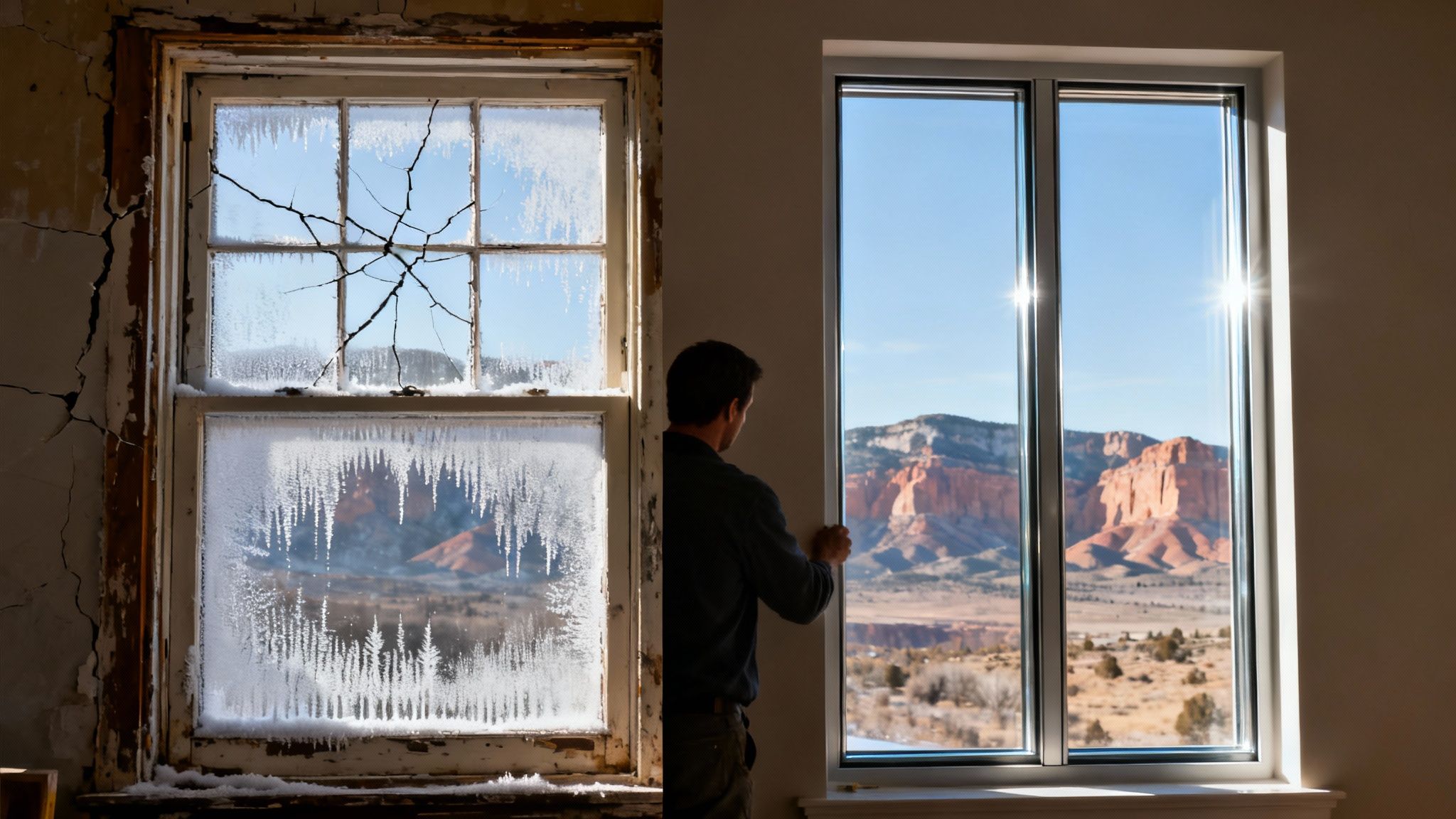
That draft you feel on a cold Provo night isn't just an annoyance—it's your house trying to tell you something. When a window refuses to open after a hot Saratoga Springs summer, that’s another clear signal. The most obvious signs you need new windows are things like visible frame damage, condensation between the glass panes, and energy bills that keep creeping up.
These symptoms mean your windows just aren't doing their job of protecting your home anymore.
Seven Signs It Is Time for New Windows
Your windows are the eyes of your home, but just like anything else, they don’t last forever. Years of exposure to Utah’s intense sun and freezing winters inevitably take their toll. Catching the early warning signs of window failure can save you a ton of money on energy costs and help you avoid bigger problems like water damage.
Think of these signs not as failures, but as your home communicating its needs.
Here are the seven key indicators that tell you when it's time to replace the windows in your home:
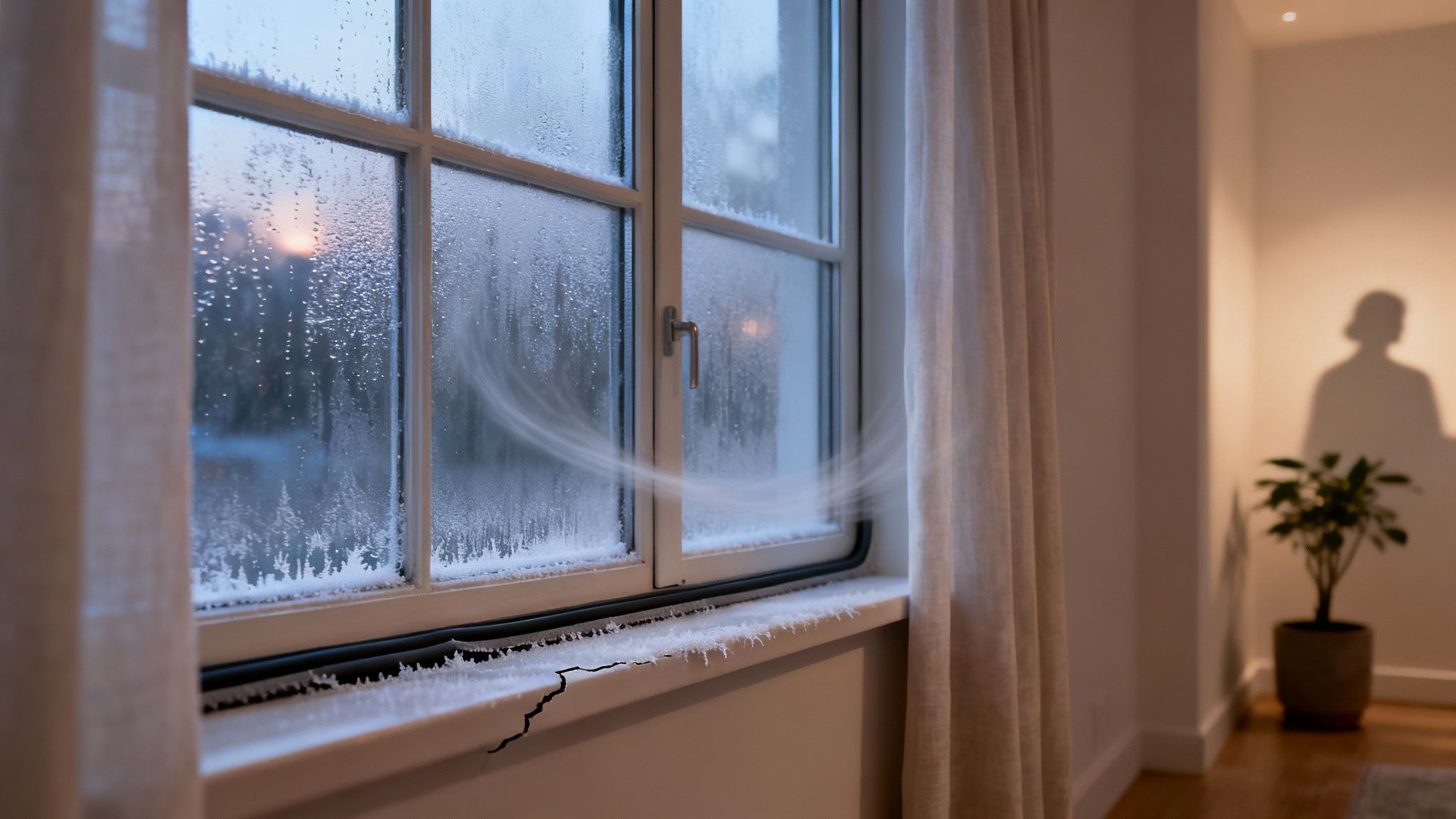
- You Feel Drafts: If you can feel a chill standing near your windows on a cold Lehi evening, their seals have almost certainly failed. Those little drafts are a huge source of energy loss, making your furnace work overtime just to keep up.
- Condensation Between Panes: See any fog, frost, or moisture trapped between the layers of glass? That's what we call a "blown seal," and it means the airtight space that provides insulation is gone for good. The window's insulating ability is permanently compromised.
- Difficulty Opening or Closing: Windows that stick, jam, or won’t stay open are more than just a daily frustration. This is often a sign of a bigger issue, like a warped frame or even rot, which will only get worse.
- Noticeable Outside Noise: Good, modern windows do a great job of dampening outside sounds. If the traffic on your street or the neighborhood chatter seems a lot louder than it used to, it’s a good bet your windows are no longer providing an effective sound barrier.
- Soft or Damaged Frames: Take a moment to inspect your window frames, especially if they’re wood. Poke around for soft spots, chipping, or any other signs of water damage—these are classic signs of rot. Damaged frames can point to more significant structural issues, which are often uncovered during a professional evaluation. You can learn more about these kinds of issues by reviewing some common home inspection problems.
A failing window is like a leaky bucket for your energy budget. No matter how much you pour into heating or cooling your home, a significant portion is constantly escaping through inefficient glass and broken seals.
- Rising Energy Bills: Sometimes the most obvious sign is in your mailbox. A gradual, unexplained increase in your heating and cooling costs is a huge red flag. Old, single-pane, or poorly sealed windows can account for 25-30% of your home's total energy use. If you're looking for ways to improve efficiency, you may want to learn how to block heat from windows and lower your energy bills.
- Visible Cracks or Rot: This one is pretty straightforward. Any obvious physical damage like cracked glass or decaying sills is an urgent signal that it's time for a change. These problems don't just hurt your energy efficiency; they compromise your home’s security.
Window Failure Symptoms at a Glance
It can be tough to connect what you're seeing with the actual underlying problem. This quick guide links common window issues Utah homeowners experience with their likely causes, helping you diagnose what's really going on.
| Cold air felt near the window | The weatherstripping or seals have failed, breaking the airtight barrier. | Yes. Once seals fail, the window's insulating integrity is gone. |
| Fog or moisture inside the glass | The gas fill (like Argon) has leaked out, and moisture has gotten in. | Yes. This is a "blown seal" and cannot be effectively repaired. |
| Window is hard to operate | The frame has warped from moisture or age, or the balance system is broken. | Often. Warped frames compromise the entire unit. |
| Outside sounds are much louder | The window's seals and glass are no longer providing an effective acoustic barrier. | Yes. Modern windows are engineered for significant sound reduction. |
| Frame feels soft or is chipping | Wood rot or material decay has set in, usually due to moisture exposure. | Absolutely. This is a structural problem that compromises safety. |
Seeing one or more of these signs is a strong indication that your windows are past their prime. Paying attention to these clues allows you to address the problem before it leads to more expensive damage.
How Long Do Windows Last in Utah's Climate?
Windows aren’t built to last forever, and here in Utah, their expiration date often arrives sooner than you might expect. Think of our state’s unique climate as a non-stop stress test for your home, and windows are on the front lines. The intense, high-altitude UV radiation, followed by blistering summer heat and then deep winter freezes, creates a brutal cycle of expansion and contraction that relentlessly wears down window materials and seals.
This constant pressure means a 20-year-old window in Orem has seen a lot more action than one in a milder, more forgiving climate. The harsh conditions simply speed up the aging process, which can lead to premature failure and a much shorter service life.
The 15-Year Rule for Utah Homeowners
Even if a manufacturer's warranty promises decades of performance, real-world conditions in Utah tell a different story. One of the most reliable indicators that it's time for new windows is their age. While industry-wide estimates put the average window lifespan somewhere between 15 and 30 years, our climate pushes us toward the lower end of that range.
Along the Wasatch Front—from Provo and Orem up to Lehi and Saratoga Springs—the combination of hot summers, frigid winters, and intense sun exposure accelerates everything from seal failure to frame warping.
A good rule of thumb for local homeowners is to start thinking about inspections once your windows hit the 15 to 20-year mark. By this point, even well-made windows can start showing subtle signs of wear that a professional will spot but you might miss. It's wise to start planning your replacement budget as they approach 20 to 30 years old.
A window's age is more than just a number—it’s a measure of its exposure to thousands of cycles of heating, cooling, and UV bombardment. Planning ahead helps you get in front of window failure instead of being blindsided by a major, unexpected expense.
Why Utah's Climate Is So Tough on Windows
To really understand when it’s time to replace your windows, it helps to know what they're up against. The environmental factors here work together to break down even the toughest materials over time. Knowing how local conditions affect longevity is key; you can learn more about how weather impacts window lifespan in different parts of the country.
Here are the three main culprits that shorten window lifespans in our area:
- Intense UV Exposure: Our high elevation means there’s less atmosphere to filter the sun’s damaging rays. This UV radiation fades and weakens materials like vinyl and causes critical window seals to degrade much faster.
- Extreme Temperature Swings: The dramatic daily and seasonal temperature changes cause window frames to expand and contract constantly. Over time, this movement compromises the airtight seals between the glass panes, leading to drafts and fogging.
- Dry Air and Moisture: Utah's arid climate can make wood frames brittle and prone to cracking. On the other hand, heavy snowmelt in the spring can introduce moisture, which leads to rot, warping, and mold.
The Hidden Costs of Keeping Old Windows
Those old windows might look fine, but they often carry a steep, invisible price tag that quietly inflates your monthly utility bills. Imagine leaving a small door wide open during a freezing Orem winter or a sweltering American Fork summer. That’s essentially what one old, inefficient window is doing—constantly leaking your heating and cooling budget, month after month.
This isn't a small problem. It's a significant financial drain. The link between your windows' performance and your energy spending is direct and powerful. Older windows, especially single-pane models or those with broken seals, are terrible insulators. They let the heat you've paid for escape all winter and allow the summer sun to bake your home, forcing your AC to work overtime just to keep up.

Quantifying the Energy Loss
The numbers behind this energy loss are pretty eye-opening. According to the U.S. Department of Energy, heat transfer through windows accounts for a whopping 25–30% of all residential heating and cooling energy use. For homeowners here in northern Utah, upgrading to modern, energy-efficient windows can slash annual energy costs by 10–25%. You can dig deeper into these savings over at energy.gov.
That's why understanding when to replace the windows in your home is so important. It’s not just about aesthetics or comfort; it’s a smart financial move that plugs a major leak in your household budget.
An Investment That Pays You Back
It's easy to see new windows as just another big expense, but that’s not the whole story. A better way to look at it is as a long-term investment in your property. Because high-performance windows start cutting your energy bills immediately, they begin paying for themselves the day they're installed.
Think of it this way: with new windows, you're redirecting money that was going straight to the utility company back into your home's value and your family's comfort. A one-time cost becomes an ongoing financial benefit.
Over the lifespan of the windows, these savings can add up to thousands of dollars. Tackling window inefficiency is a major step in making your entire home more efficient. You can learn more in our guide on how to improve home energy efficiency. On top of the direct energy savings, new windows boost curb appeal and increase your home’s resale value, making them one of the smartest upgrades a homeowner can make.
Choosing the Right Window Materials for Longevity
When you decide it's time to replace your home's windows, the material you pick now determines how soon you’ll be having this conversation again. It’s easy to get fixated on the initial price tag, but the real value is in how a window frame performs over the long haul, especially here in Utah with our demanding four-season climate.
Think of it like choosing the right tires for your car. Sure, basic all-seasons will get you around, but if you’re driving up a snowy canyon, you want something built for the job. The right tires perform better, last longer, and keep you safer. It’s the exact same principle with windows facing our unique weather patterns.
A Look at Common Window Materials
A homeowner in American Fork planning to live in their house for another 30 years has totally different priorities than a landlord in Provo who needs a durable, no-fuss option for a rental. Each material strikes a unique balance between durability, maintenance, and lifespan, which all adds up to the true cost of ownership.
Here's a breakdown of the most common options you'll see:
- Vinyl Windows: This is hands-down the most popular and budget-friendly choice. Modern vinyl is a pretty good insulator and requires almost zero maintenance. The catch? It expands and contracts quite a bit with Utah's wild temperature swings, which can sometimes lead to seal failure down the road.
- Wood Windows: Nothing beats the classic beauty and natural insulation of wood. But that beauty comes with a price—and I'm talking about maintenance. Wood frames need to be regularly painted or stained to fend off moisture and our intense sun, which can cause them to warp or rot if you let it slide.
- Aluminum Windows: If you're going for a modern look, aluminum is a great fit. It's strong, durable, and low-maintenance. The big downside is that it's a terrible insulator. Metal transfers cold right into your home, which you'll definitely notice on your energy bills during a Utah winter.
- Fiberglass Windows: Often seen as the premium choice, fiberglass is incredibly strong and stable. It barely expands or contracts, making it highly resistant to the seal failures and warping that plague other materials. That durability makes it a fantastic, though more expensive, choice for climates like ours with extreme temperature shifts.
The real question isn't just "What does it cost now?" but "How much will this window cost me over the next 20 to 30 years in maintenance, energy loss, and eventual replacement?"
Lifespan and Long-Term Value
The material you choose has a direct, measurable impact on when you'll have to do this all over again.
To give you a clearer picture, let's create a quick comparison to see how these materials stack up in our local environment.
Comparing Window Materials for the Utah Climate
Use this table to choose the best window material based on its expected lifespan, cost, and maintenance needs in our local climate.
| Vinyl | 20–25 years | $$ | Low | Budget-conscious homeowners and rental properties. |
| Wood | 15–20 years | $$$ | High | Historic homes or those wanting a classic aesthetic. |
| Aluminum | 20–25 years | $$ | Low | Modern designs where thermal performance is less critical. |
| Fiberglass | 30–40+ years | $$$$ | Very Low | Homeowners looking for the best long-term performance and durability. |
Looking at these numbers, the long-term math starts to become clear.
A national contractor reports typical lifespans for vinyl at 20–25 years, wood at 15–20 years, and aluminum at 20–25 years. In sharp contrast, fiberglass can last 30–40 years or even longer.
By choosing a material like fiberglass over a shorter-lived option, you could potentially skip an entire window replacement cycle over the next 40 years. That's a move that could save you tens of thousands in future material and labor costs. You can dig deeper into the data and see how window lifespans compare on fiveseasonswindows.com.
This long-term perspective is what separates a simple purchase from a smart investment that keeps paying you back for decades.
Repair or Replace? A Practical Decision Framework
Deciding between a simple fix and a full-scale replacement can feel like a high-stakes gamble. Do you spend a little now on a temporary patch, or invest more for a permanent solution? The right choice hinges on a clear-eyed assessment of the situation, and knowing the difference prevents you from throwing good money after bad.
Think of it like a car tire. A simple puncture on a brand-new tire? That's an obvious repair. But if that same tire is 10 years old, bald, and cracking from age, patching the leak just delays the inevitable—and unsafe—replacement. Windows are much the same. You have to look at the specific problem in the context of the window's overall health and age.
The Three Core Questions to Ask
To make a smart, cost-effective decision, you need to step back and analyze three critical factors. Answering these questions honestly will almost always point you toward the right call, ensuring your investment actually solves the problem for good.
- How old is the window? Age is a huge clue. A broken lock or a single cracked pane on a 5-year-old window is usually worth repairing. But if that window is over 20 years old, even minor issues are often just symptoms of a much bigger, system-wide failure.
- What’s the real damage? Is the problem isolated or is it everywhere? A single broken component, like a crank handle, is a straightforward fix. Widespread issues like multiple draft points, foggy glass between the panes, and warped frames tell you the entire unit has reached the end of its functional life.
- How is it actually performing? Look beyond the obvious damage. Is the window still doing its job? Is it keeping your home comfortable and your energy bills down? Does it block outside noise? If a window is drafty and inefficient, repairing a minor cosmetic issue won't fix its core performance problems.
Wasting money on small repairs for a window that is fundamentally failing is one of the most common homeowner mistakes. A logical framework helps you see the bigger picture and invest your money where it will have the most impact.
This chart breaks down the common window materials, giving you a better sense of their built-in durability and expected lifespan.
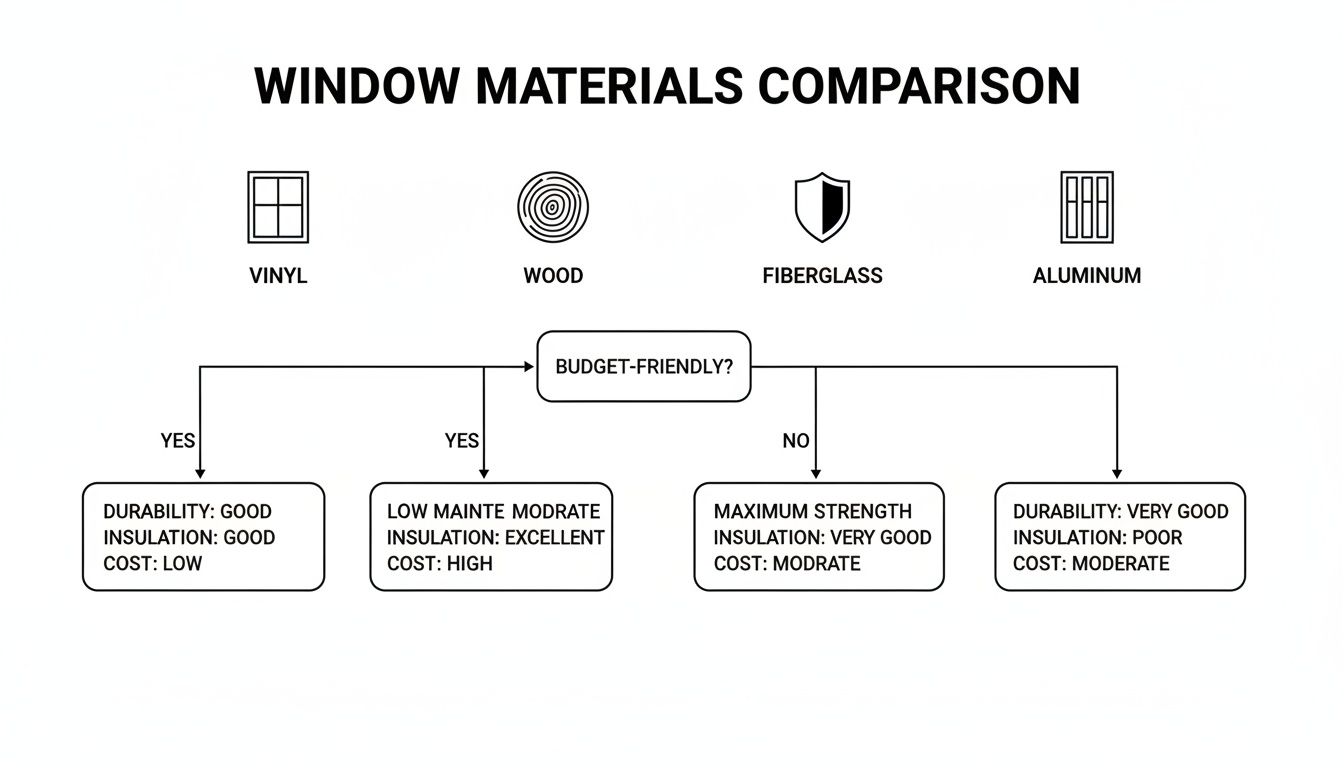
As you can see, materials like fiberglass offer superior longevity. This makes a full replacement a much more valuable long-term investment compared to trying to patch up older, less durable materials that are already past their prime.
Giving your windows a quick check a couple of times a year should be part of your routine. You can easily integrate this by following an annual home maintenance checklist to catch problems before they get out of hand. By thoughtfully looking at age, damage, and performance, you can confidently decide when it's time to replace your home’s windows.
What to Expect During Your Window Replacement Project
Deciding to replace your windows is the biggest hurdle. The actual project? It's usually much more straightforward than people imagine. A professional installation is a well-oiled machine, designed to be as efficient and painless as possible. Knowing the timeline helps take the mystery out of it, transforming what feels like a massive undertaking into an exciting home upgrade.
Think of it as a well-rehearsed play with a clear beginning, middle, and end.

The Step-by-Step Project Timeline
Once you've picked your contractor, the process kicks off and follows a pretty standard path from that first measurement to the final walkthrough. Every step is there for a reason—to make sure your new windows fit like a glove and perform beautifully for years.
Initial Consultation and Professional Measurement: This is where it all starts. A technician comes to your home to get precise, laser-accurate measurements of every single window opening. It’s way more than just grabbing width and height; they're looking at the specific angles and quirks of your home’s construction to ensure a perfect fit.
Product Ordering and Lead Times: With those exact specs, your custom windows are officially ordered. The wait time can vary based on the window style, materials, and how busy the manufacturers are. Generally, you can expect a lead time of a few weeks to a couple of months. Your contractor should give you a solid estimate right up front.
A window replacement project is 90% preparation and 10% installation. All the detailed work that happens before installation day—from the measuring to the manufacturing—is what makes for a quick, smooth, and headache-free experience for you.
What Happens on Installation Day
The day the crew shows up is surprisingly fast. A skilled team can often knock out 8-12 windows in just one day. The whole operation is clean and methodical, with a big focus on protecting your home.
First, they’ll lay down drop cloths and protective coverings both inside and out. Then, they carefully remove one old window at a time, checking the opening for any rot or hidden damage before prepping it for the new one. The new window is then set, leveled, insulated, and sealed to create a completely airtight and weatherproof barrier.
Once all the windows are in, the team does a full cleanup, hauling away all the debris and your old windows. The last thing they'll do is walk you through the project, show you how everything works, and make sure you are 100% satisfied with the job.
A Few Final Questions You Might Have
Even when you know it's time for new windows, a few practical questions almost always pop up. Let's tackle some of the most common ones we hear from homeowners right here in Utah County. Getting these answers can help you feel confident about moving forward.
Should I Replace All My Windows at Once?
You don't have to. If you have one window that's completely failed, you can absolutely replace just that one. It's a common and practical solution.
That said, most homeowners find a sweet spot by replacing windows in phases. For instance, you could do the entire front of the house this year to boost curb appeal, and then tackle the back next year. This approach has some real advantages:
- A Perfect Match: It guarantees all your new windows on one side of the house are a perfect match in style, color, and finish.
- A Stronger Thermal Barrier: Upgrading a whole section of your home at once creates a much more effective pocket of insulation.
- Smarter on the Wallet: Contractors can often give you a better deal on labor for a single, larger project than they can for several tiny ones spread out over time. It's simply more efficient for the crew.
How Much Will New Windows Cost in Utah?
This is the big one, and the honest answer is: it depends. The cost can swing pretty dramatically based on the material (vinyl, composite, wood), the style (double-hung, casement, picture), and the size of the window. You could be looking at anything from a few hundred to over a thousand dollars per window, fully installed.
The only way to get a real number for your specific home in Orem, Lehi, or Saratoga Springs is to have a professional come out. A detailed, no-pressure quote will break down the costs for you.
It's worth remembering that new windows consistently rank as one of the best home improvement projects for return on investment. You get the immediate win of lower energy bills month after month, plus a real boost to your home's value down the road.
How Long Does the Actual Installation Take?
The on-site installation is surprisingly quick. While there's a lead time for manufacturing your custom windows, the day the crew shows up is a flurry of efficient activity.
A professional team works like a well-oiled machine. They can typically install 8-12 windows in a single day. They have a system for removing the old units, prepping the opening, and setting the new window perfectly. The disruption is minimal, and by the time they leave, your home is secure, weatherproof, and looking great.
Ready to stop throwing money out the window on high energy bills? The team at Northpoint Construction has been installing high-quality replacement windows for homeowners across Orem, Provo, Lehi, and American Fork for years. Contact us today for a free consultation and let’s get you on the path to a more comfortable, efficient home.